






Skip to content
Ricoh
Managed IT

Hardware Procurement

Laptops, desktops, monitors and accessories — sourced from genuine vendor channels, deployed pre-configured, supported in-market. So your IT lead stops being a part-time purchasing officer.

The challenge

Buying hardware as you break it is the most expensive way to do it.

Across the Pacific the pattern is familiar: a laptop dies, somebody scrambles to buy a replacement off the shelf at the cheapest retailer that has stock, the new device runs different Windows, different drivers, different age — and now your fleet is more fragmented than yesterday. Meanwhile warranty claims go to whoever sold the device first, which is rarely useful from Apia or Honiara. The organisations that get this right build a refresh cycle and standardise their devices; the ones that don't keep paying the unstandardised tax forever.

  • What

    What is managed hardware procurement?

    A standing programme that handles sourcing, deployment, warranty and end-of-life for your endpoint hardware — laptops, desktops, monitors, accessories. Replaces ad-hoc retail purchases with a tiered device standard sourced through direct vendor channels.

  • Why it matters

    Unstandardised fleets cost more, every year

    Different models, different ages, different drivers, no in-market warranty path — every variation is a tax on helpdesk time and a risk to security baselines. Standardising and refreshing on a schedule materially reduces the cost of running the fleet.

  • How Ricoh fixes it

    Three tiers, vendor-direct, pre-imaged

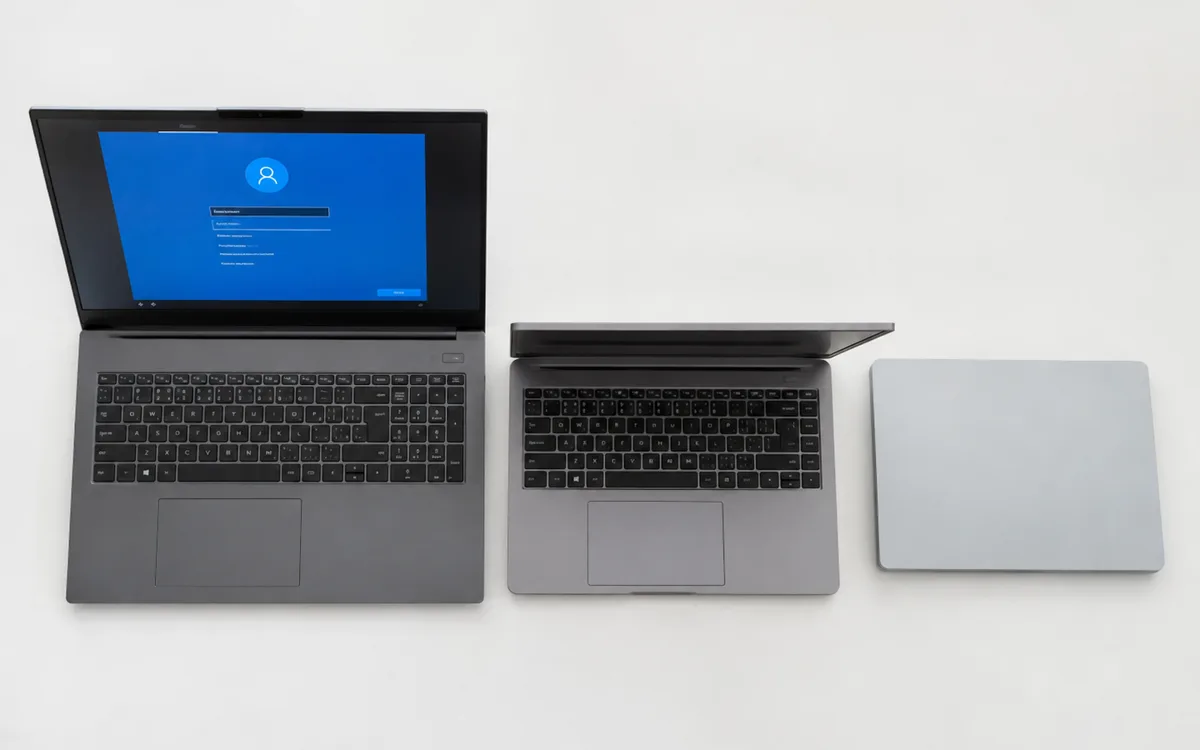
    Knowledge worker / mobile worker / executive tiers sized to your workloads; direct Lenovo, HP, Dell, Surface and accessory channels; devices arrive pre-imaged and Intune-enrolled; warranty managed in-market.

    See Hardware Procurement details
How we help

Our approach.

Most Pacific organisations buy hardware in the worst possible way: ad-hoc retail or grey-market purchases when a device breaks, with no shared device standard, no in-market warranty path and no plan for what happens at end of life. ClearEdge Hardware Procurement replaces that with a managed programme — tiered device standards your team picks from, direct relationships with Lenovo, HP, Dell, Logitech and the rest, devices that arrive in-country pre-imaged and Intune-enrolled, and a refresh schedule that prevents the next emergency purchase. Sized for organisations from 10 staff to 500.

Capabilities

What's included.

  • Tiered device standards

    Tiered device standards

    Three approved laptop and desktop tiers — knowledge worker, mobile worker, executive — sized to actual workloads. Staff choose within the standard; you stop reviewing every individual spec.

  • Direct vendor channels

    Direct vendor channels

    Genuine Lenovo, HP, Dell and Microsoft Surface kit through authorised distribution. Logitech and Poly for peripherals. Apple where Mac is the right call. No grey market, no retail markups.

  • In-market warranty support

    In-market warranty support

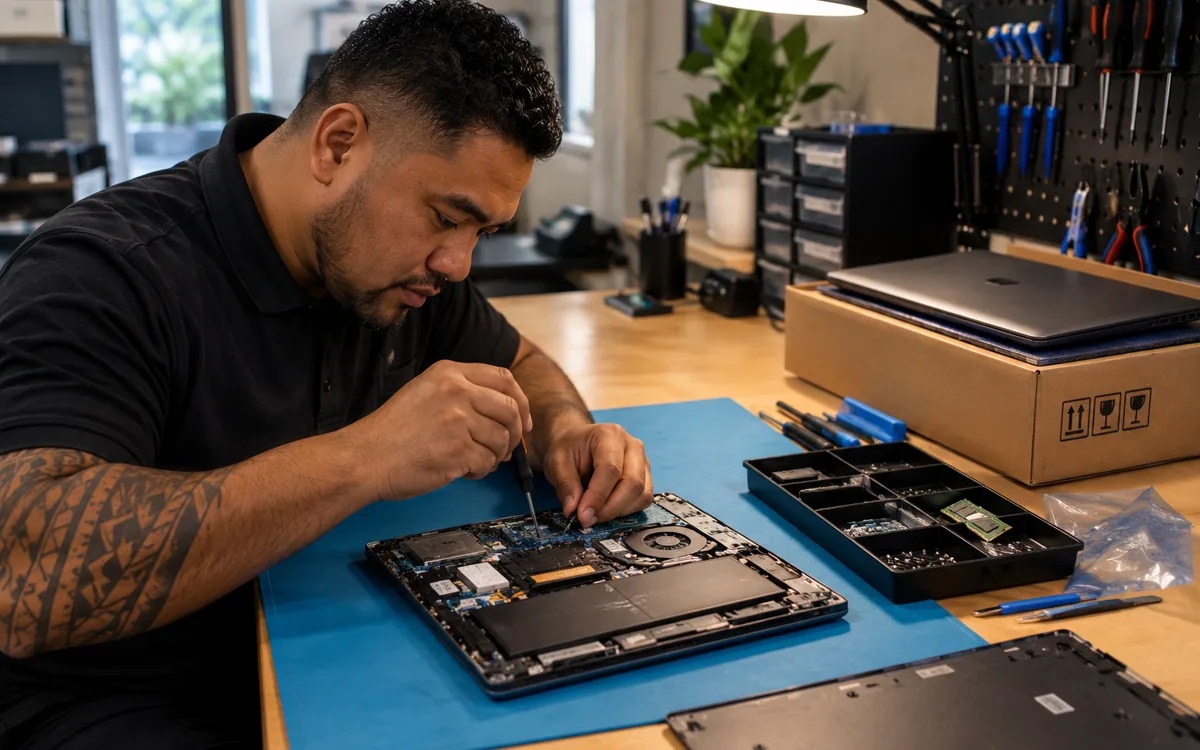
    When a device fails, we own the warranty claim. RMA shipped, replacement issued, no chasing Lenovo or HP from a Pacific timezone yourself.

  • Image and zero-touch deployment

    Image and zero-touch deployment

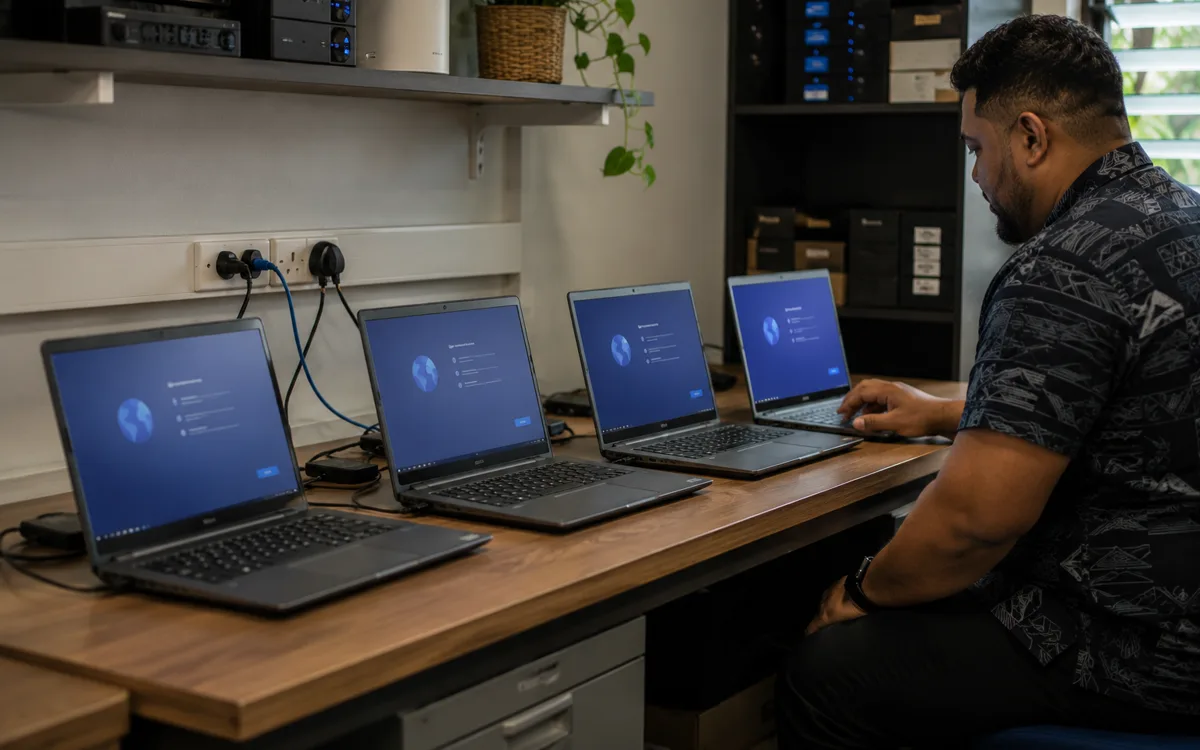
    Devices arrive in-country pre-imaged, Intune-enrolled and joined to your tenant. Staff unbox and sign in — no helpdesk setup time.

  • Peripherals and accessories

    Peripherals and accessories

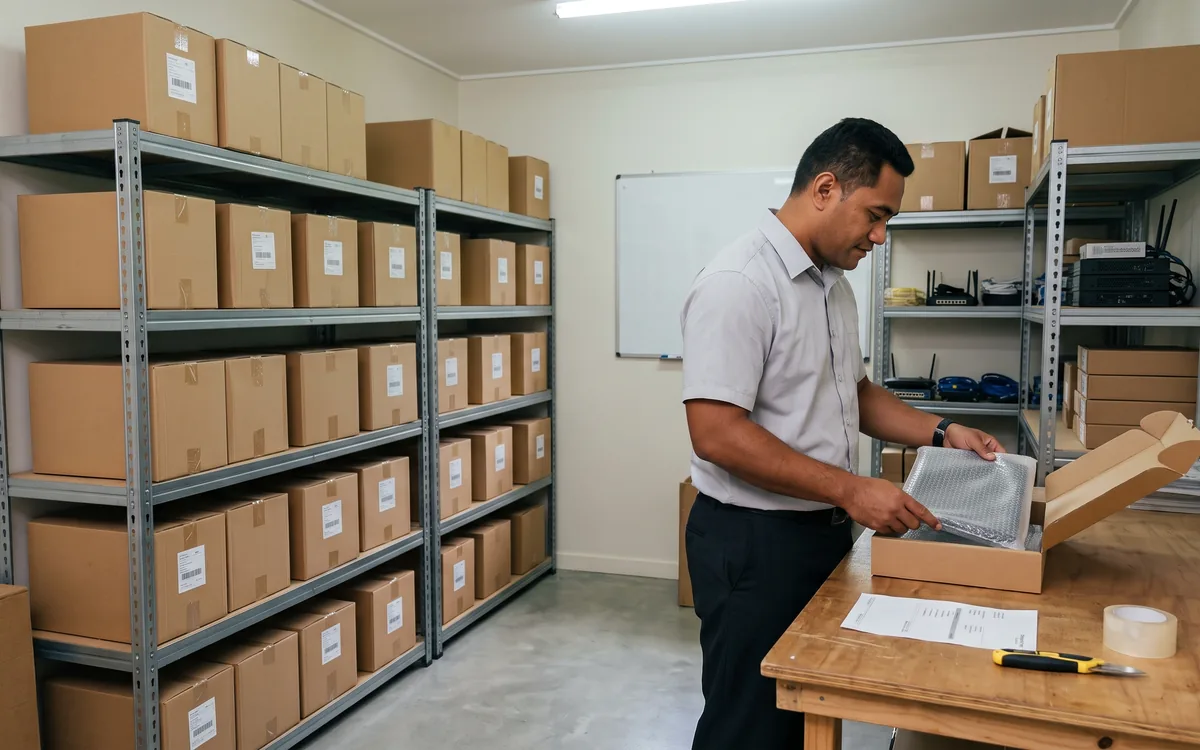
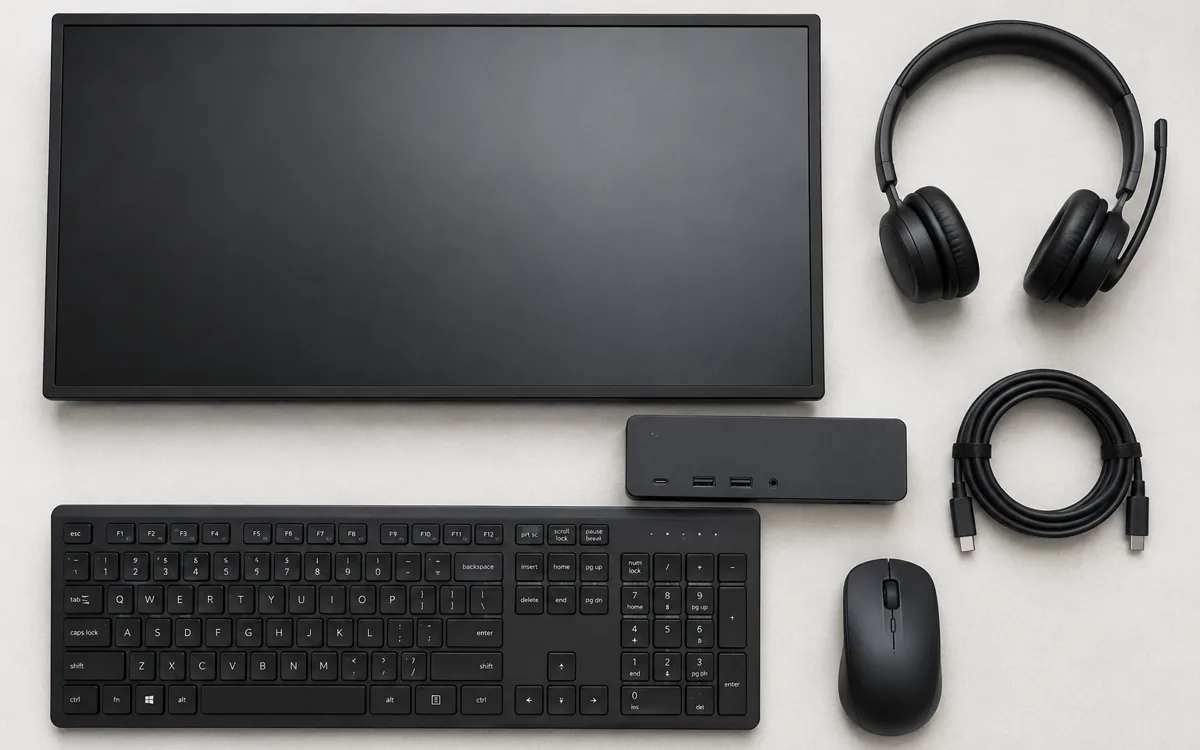
    Monitors, docks, webcams, headsets, mice and keyboards — bundled so a remote worker's home-office kit ships as one box on one PO.

  • End-of-life management

    End-of-life management

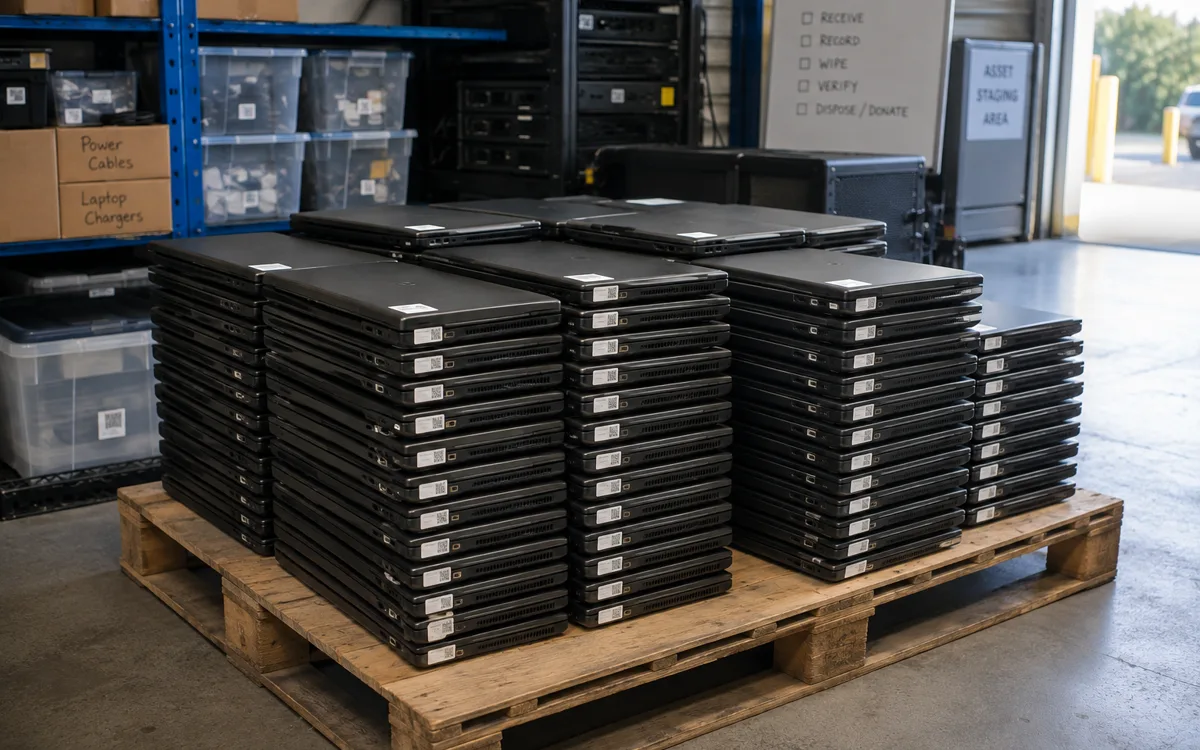
    Refresh schedule, secure data wipe (auditable certificate), environmentally responsible disposal or trade-in. Devices don't quietly accumulate in a back room forever.

Technology partners

Built on platforms we run in production.

We operate on the same platforms global enterprises do — but configured, monitored and supported for South Pacific businesses.

  • Lenovo logo
  • HP logo
  • Dell logo
  • Logitech logo
  • Poly logo
  • Apple logo
Proof

Real outcomes from Pacific customers.

3 tiers
device standards replace 30+ ad-hoc models

A typical first engagement consolidates 30 to 60 different laptop and desktop models down to three approved tiers — knowledge worker, mobile worker, and executive. Helpdesk time spent on driver and image issues drops materially in the first refresh cycle; total cost of ownership over three years lands lower than the unstandardised baseline.

ClearEdge Hardware Procurement engagements, illustrative.

Free resource

The Hardware Procurement buyer's checklist

A short, vendor-neutral guide that walks South Pacific decision-makers through what to ask, what to compare, and how to scope a successful hardware procurement project.

  • What to put in the brief — and what to leave out.
  • Red flags in vendor proposals.
  • Realistic budget ranges for Pacific deployments.
Use cases

How customers use this.

  • 01

    New office or team fit-out

    10 to 50 new staff joining at once — laptops, accessories and monitors landed in-country pre-imaged and ready for day one.

  • 02

    Hardware refresh cycle

    Existing fleet at end of warranty — staged refresh across 3 to 12 months that smooths cash flow and avoids a single big-bang spend.

  • 03

    Remote and hybrid workers

    Standard work-from-home kit — laptop, dock, monitor, headset, webcam — shipped as one package to the staff member's home.

  • 04

    Specialist deployments

    CAD workstations for engineering, presentation laptops for sales, ruggedised devices for field staff — specced and sourced as a one-off.

FAQ

Frequently asked questions.

The questions South Pacific decision-makers ask most often before they engage on hardware procurement.

  • Which hardware brands do you supply?

    Lenovo, HP, Dell and Microsoft Surface for laptops and desktops — sourced through authorised distribution rather than retail or grey market. Logitech and Poly for peripherals (headsets, webcams, mice, keyboards, conference cams). Apple for Mac where the workload justifies it. Specialist categories — ruggedised devices, CAD workstations, presentation hardware — sourced as one-offs through the same channels. We don't lock you into one brand; we recommend the right device for the role.

  • How does Pacific warranty support actually work?

    Standard vendor warranty (typically 1–3 years depot return) is shipped through our in-market relationships rather than the customer chasing the vendor directly. When a device fails, you raise a ticket with us, we handle the RMA process with the vendor, ship a replacement and follow up on the return. For mission-critical roles we can layer next-business-day on-site warranty as an upgrade. The practical outcome: warranty actually gets used rather than the failed device sitting in a cupboard because nobody wants to navigate Lenovo support from Apia.

  • Can you ship hardware to Samoa, Vanuatu, Tonga and Solomon Islands?

    Yes — every market we serve has the hardware procurement programme available. Devices ship to our in-country presence and are deployed locally, which means duties, freight and any customs handling are managed on your behalf and absorbed in the per-device price. Lead time varies by market and stock availability, but for standard tiered devices we typically have stock available within two to three weeks; bespoke specs run longer.

  • What is a device standard and why does it matter?

    A device standard is a small set of approved hardware configurations — typically three tiers covering knowledge workers, mobile workers and executives — that everyone in the organisation picks from. The cost of running an unstandardised fleet (different drivers, different ages, different Windows versions, different security baselines) compounds quickly in helpdesk time and security risk. Standardising means one image, one set of drivers, predictable refresh cycles, and a fleet your IT lead can actually manage at scale rather than firefight individually.

  • Do you handle end-of-life disposal and data wipe?

    Yes. Every device that comes off the fleet through us gets a secure data wipe with an auditable certificate of destruction — important for any organisation with regulatory or insurance obligations. Devices in good condition are graded for trade-in or refurbishment; devices at genuine end of life are processed through environmentally responsible recycling channels. The 'pile of old laptops in a back cupboard' anti-pattern is one we explicitly close down.

  • Can you supply Apple / Mac hardware as well as Windows?

    Yes. Mac is the right tool for some roles — creative, marketing, design, executive — and we source Apple through Apple's business channel with full warranty and Mac-specific deployment (Apple Business Manager, Intune for Mac, automatic enrolment). We don't push Apple where Windows fits better; we don't push Windows where Mac fits better. The recommendation depends on the role.

  • What is the typical lead time for a hardware order?

    For standard tiered devices we usually have stock available with two to three weeks turnaround to in-country delivery. Bespoke specifications — high-spec workstations, specific monitor sizes, niche peripherals — extend that to four to six weeks. Larger orders (50+ devices for a fit-out) are typically planned six to eight weeks in advance so we can land them in batches and stage the deployment.

Ready to simplify your South Pacific workplace?

Book a no-obligation conversation with a local specialist. We'll listen first and only recommend what actually helps.