
Skip to content
Ricoh
Print Solutions

Production Printers

Ricoh Graphic Communications production kit for in-plant print rooms, sign-makers and label converters — cut-sheet presses, wide-format roll-to-roll and digital label presses. The kit you buy when you want offset-class quality at digital turnaround.

The challenge

Outsource print and you bleed budget. Insource it and you bleed quality.

Public sector, education and graphic arts customers across the Pacific need volume, quality and short turnarounds. Outsourcing every job is expensive and slow. Running an in-house room without the right press, software and operator capability turns into a quality and reliability headache. The kit is the smaller half of the answer — sizing, workflow, colour management and operator capability are what makes the difference.

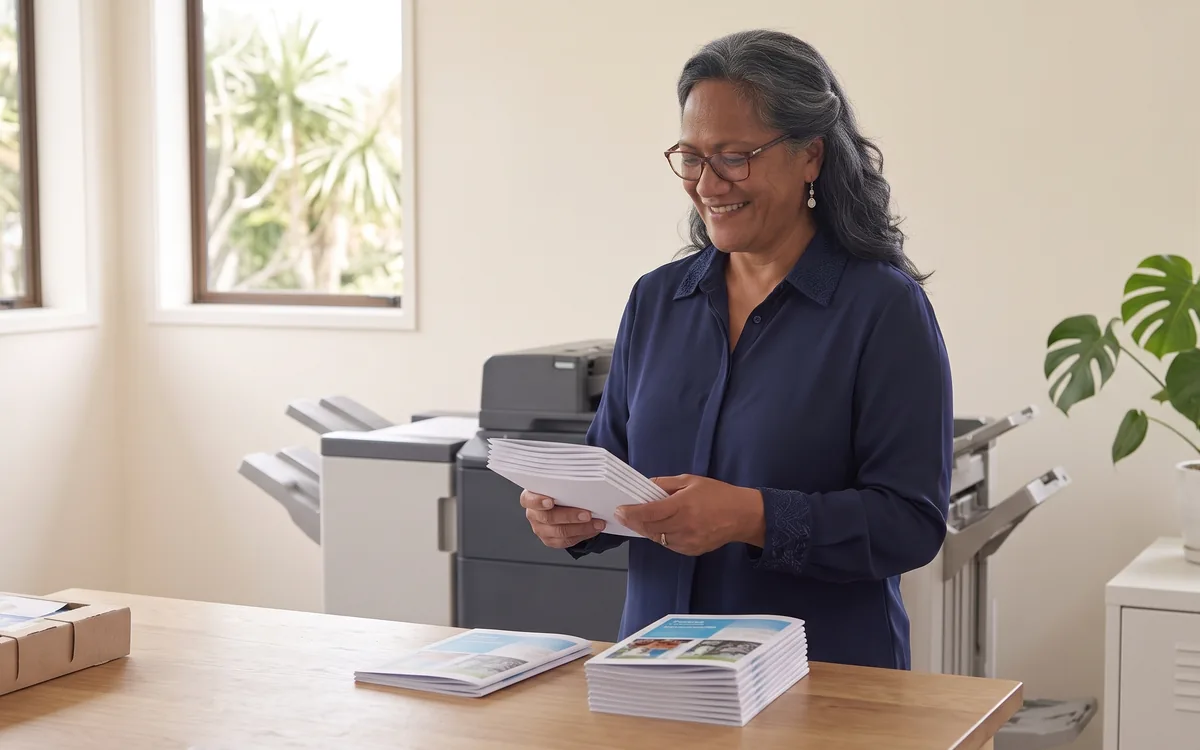
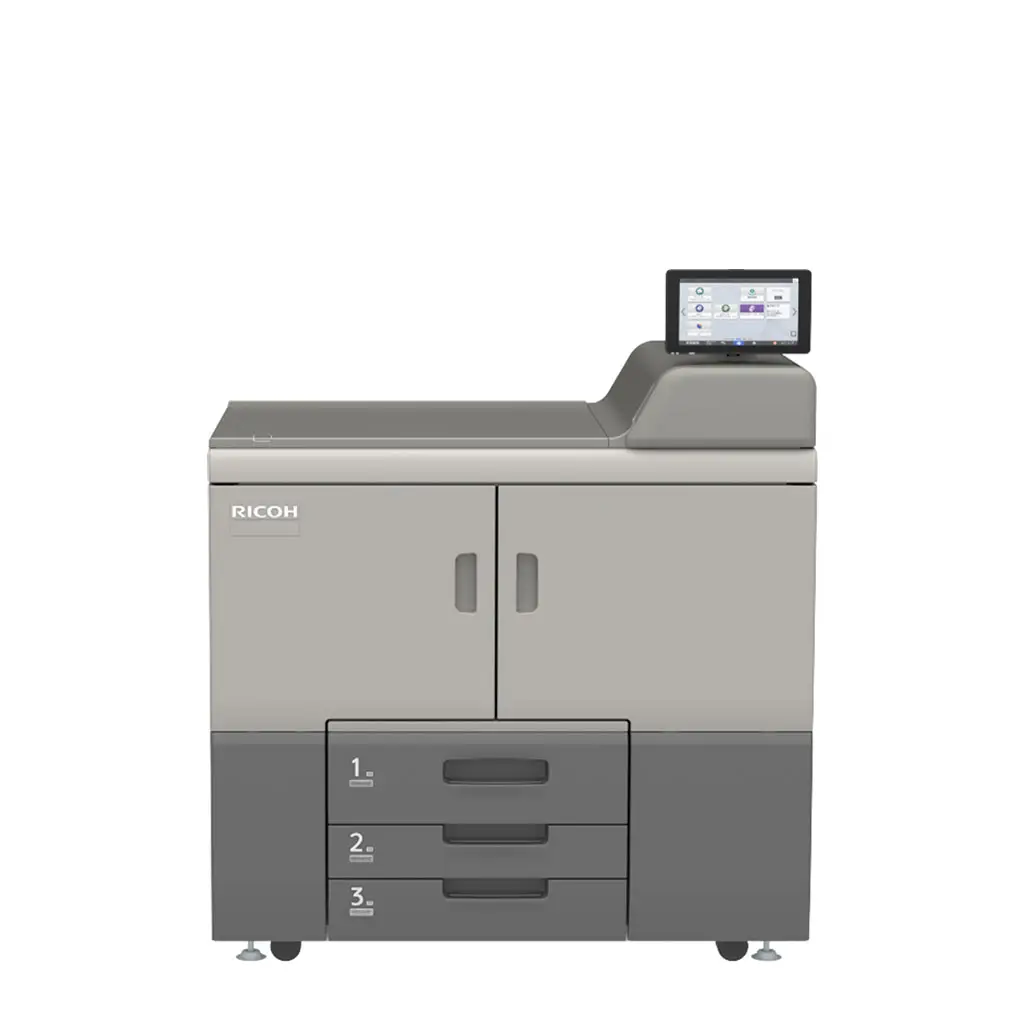
Industrial production press with booklet output
  • What

    What is a production printer?

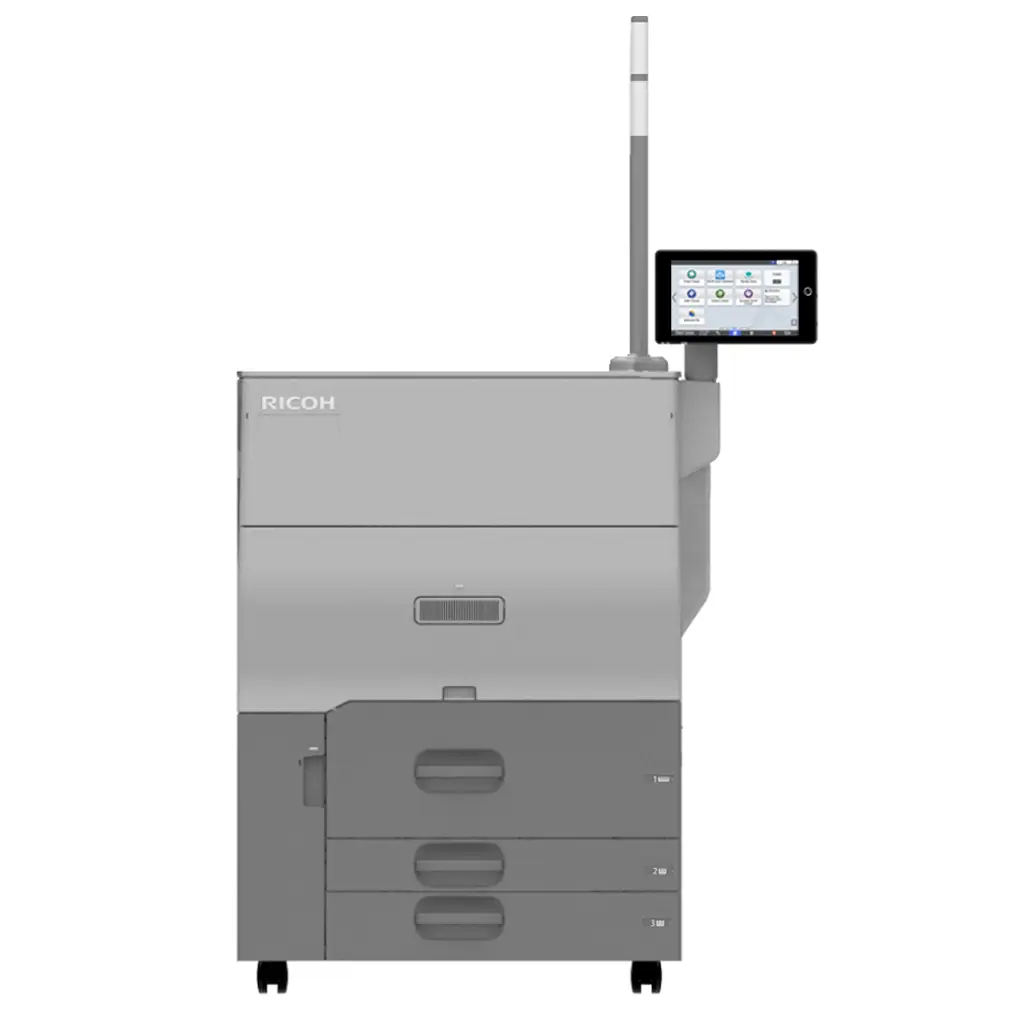
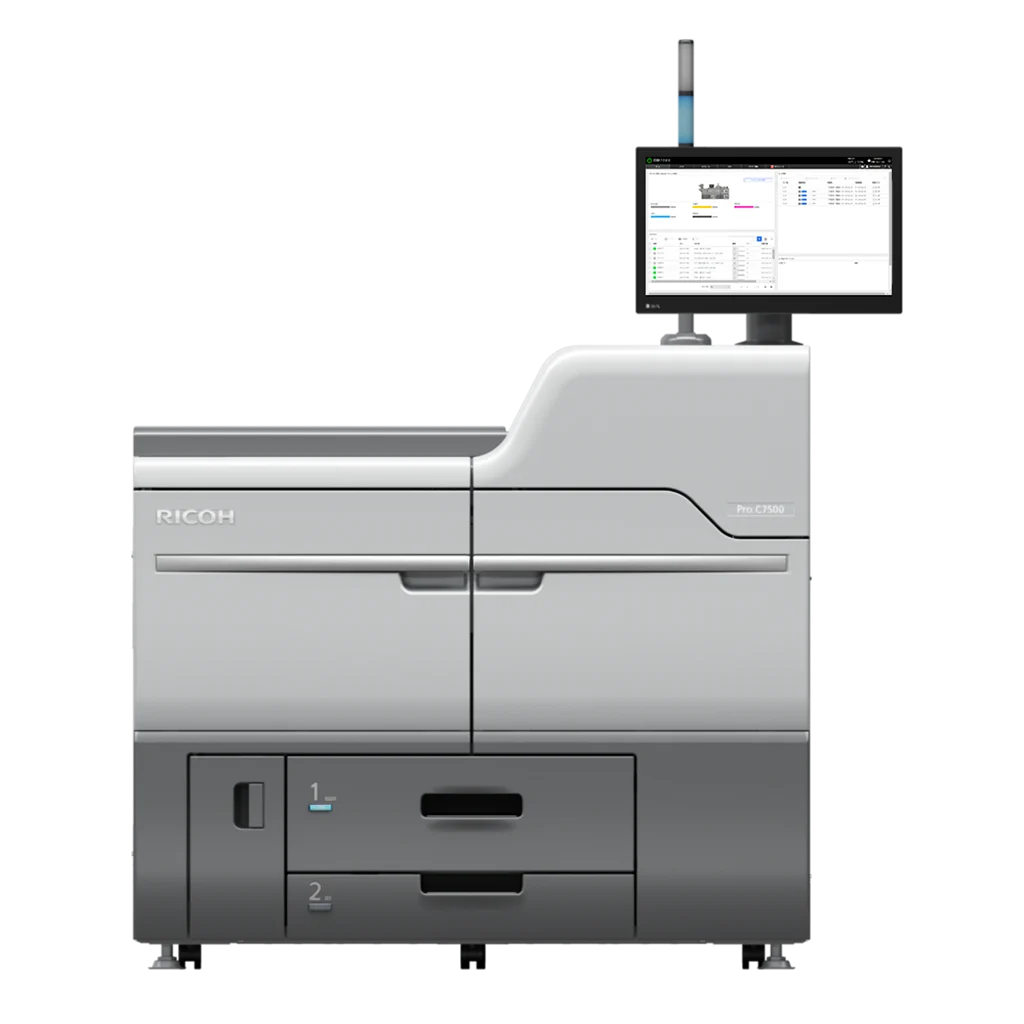
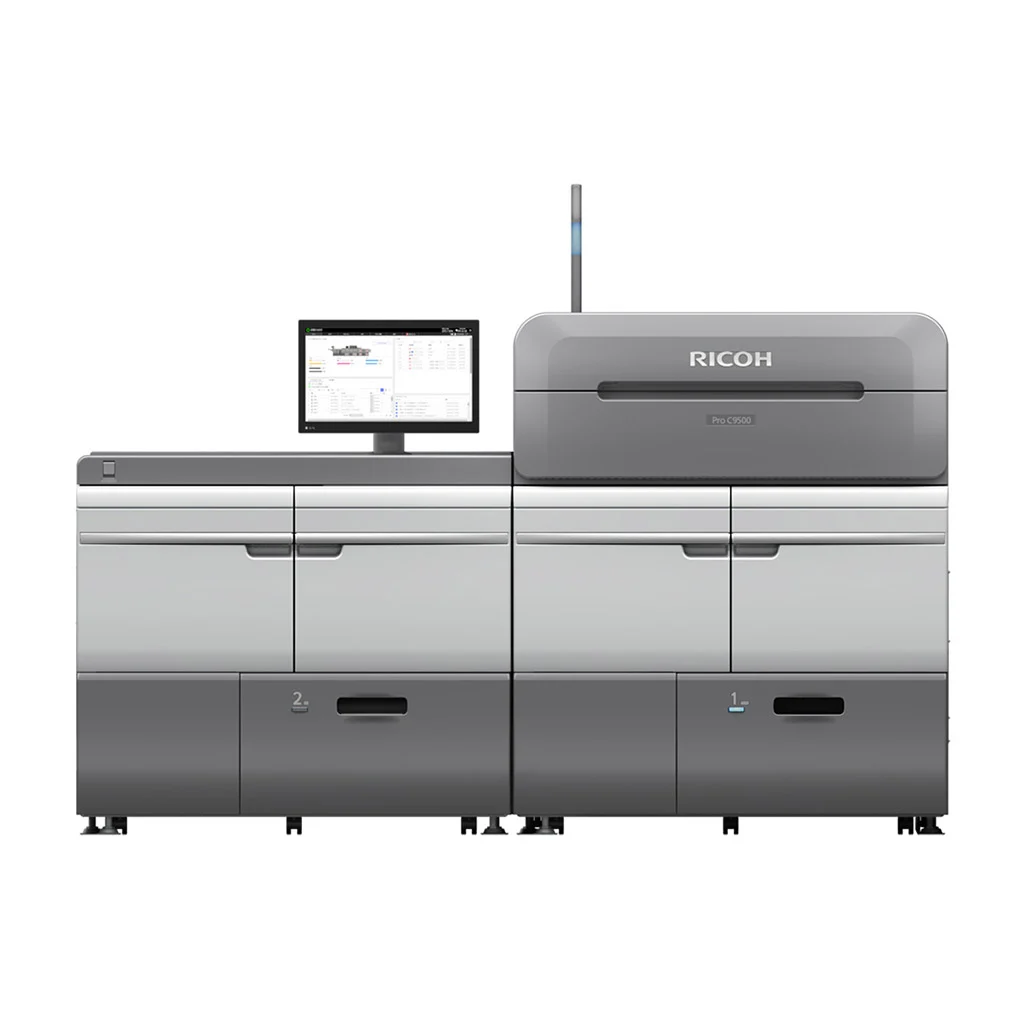
    Equipment built for hundreds of thousands of pages, square metres or labels per month, with offset-class colour, inline finishing where it applies, and proper RIP and workflow integration. Three families: cut-sheet for documents, wide-format for signage, label presses for packaging.

  • Why it matters

    Outsourced print bleeds margin

    Most Pacific organisations send curriculum, government forms, transactional mail and marketing collateral to external print shops. Above a threshold (broadly ~500k pages a year for cut-sheet, comparable thresholds for wide-format and labels), you are paying outside-print-shop margins on work you could be doing yourself.

  • How Ricoh fixes it

    We size, install and operate

    Audit the work currently being outsourced, sizing recommendation against the relevant Ricoh Pro range, install with operator certification and colour-managed handover, single managed contract for device, parts and consumables.

    Browse the production printer catalogue
How we help

Our approach.

Production printers are the equipment side of professional print: organisations who want to bring volume, quality and turnaround inside their own four walls instead of outsourcing every job. We supply the three Ricoh Graphic Communications product families that fit Pacific volumes — cut-sheet production presses for central print rooms and education and government reprographics; wide-format roll-to-roll machines for sign-makers, vehicle wraps and exhibition graphics; and digital label presses for short-run food, beverage and industrial labels. We do not supply high-speed continuous-feed inkjet — that is a different scale of operation not suited to Pacific volumes. For customers who want the output without owning the equipment, see Commercial Printing for our bureau service.

Capabilities

What's included.

  • Cut-sheet production presses

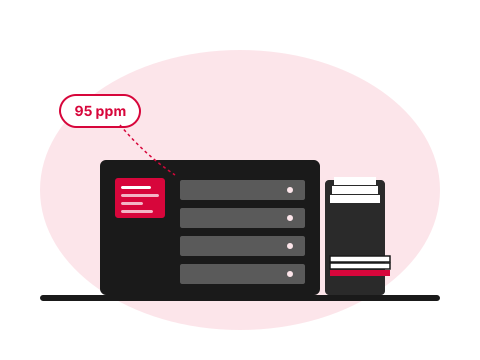
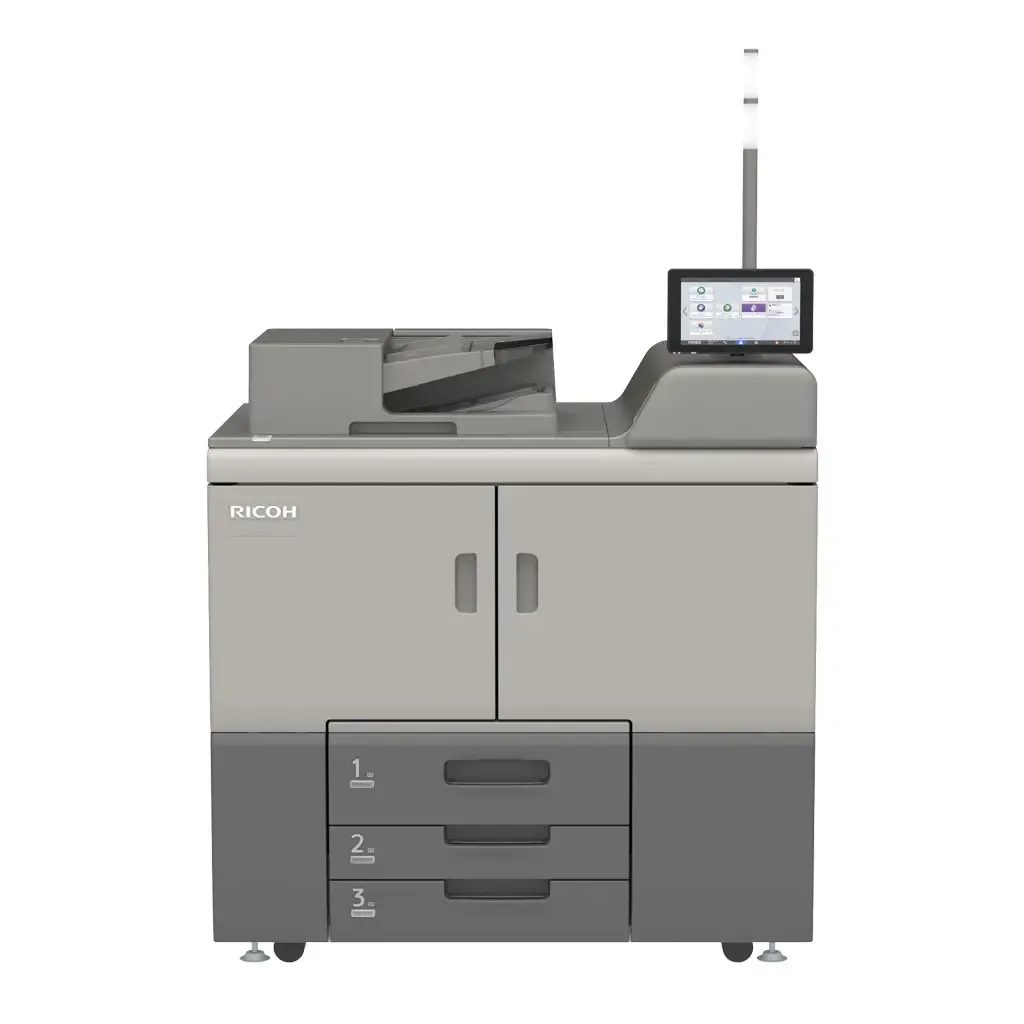
    60 to 135 ppm in colour and mono, 1,200 × 4,800 dpi imaging, duty cycles up to 1.5M pages per month — the workhorses of an in-plant print room.

  • Wide-format roll-to-roll

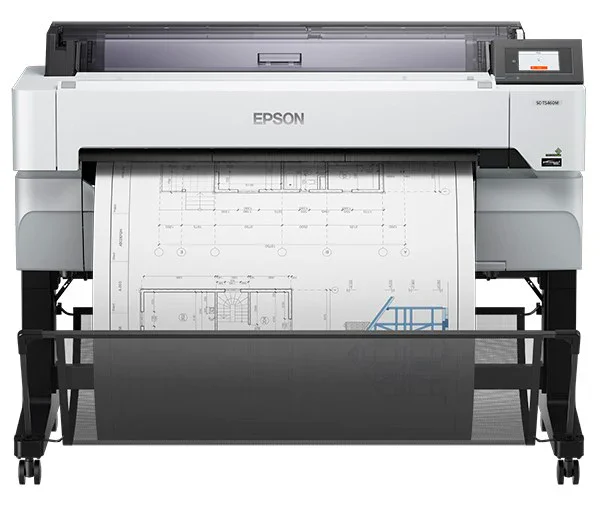
    Latex and UV-curable wide-format up to 3.2m — banners, vehicle wraps, point-of-sale, exhibition graphics, architectural signage and rigid display.

  • Digital label presses

    Short-run, variable-data label production for food, beverage, retail and industrial — replacing flexo for runs under 50,000 labels.

  • Inline finishing

    Inline finishing

    Stapling, booklet making, perfect binding, ring binding, hole punching, folding and trimming — inline so the press output is finished work, not work in progress.

  • Workflow and RIP

    Workflow and RIP

    Ricoh TotalFlow and Fiery for cut-sheet; Onyx, Caldera and ColorGATE for wide-format. Hot folders, imposition, colour profiles and JDF integration.

  • Substrate flexibility

    Substrate flexibility

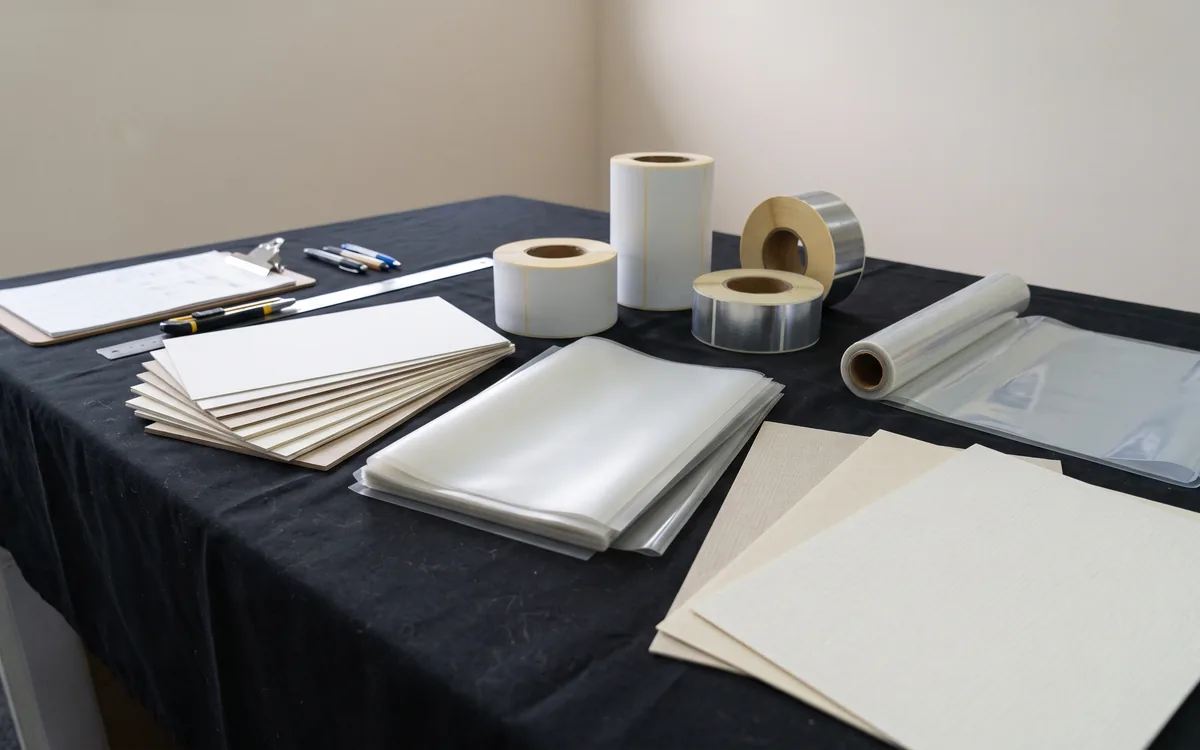
    From 52 gsm bible paper to 360 gsm board on cut-sheet; banner vinyl, fabric, rigid panel and self-adhesive on wide-format. Pre-qualified media libraries supplied.

  • Colour management

    Colour management

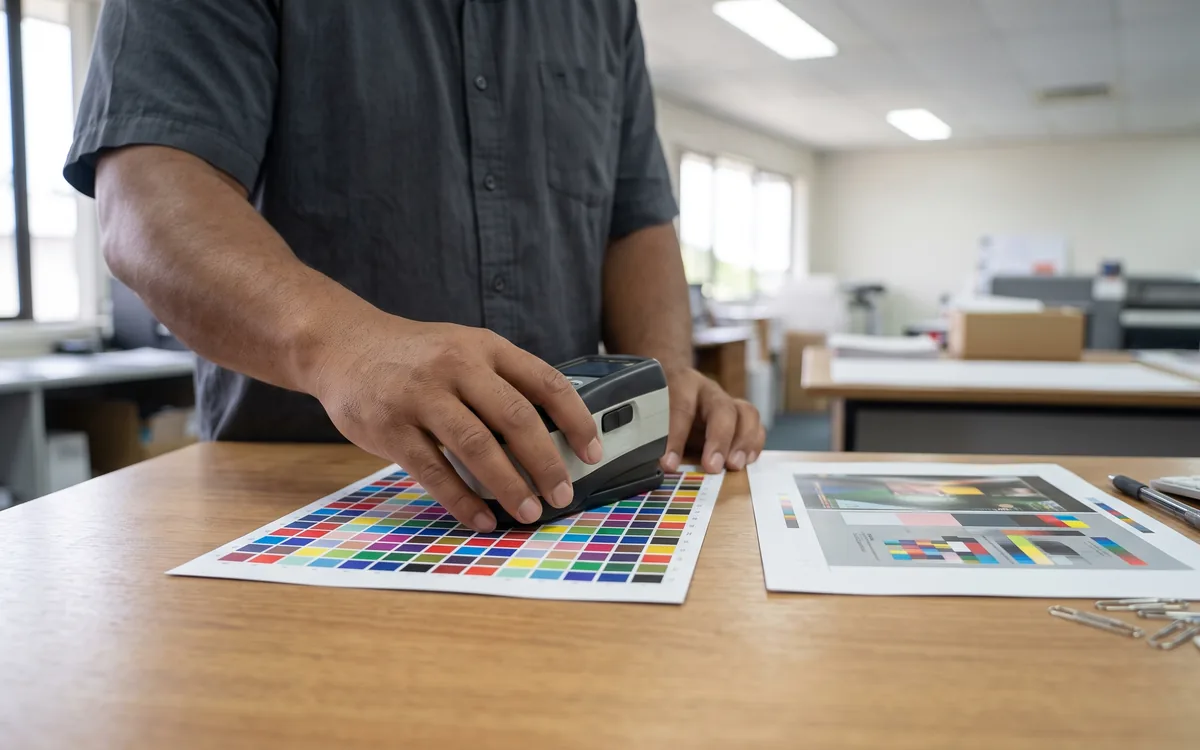
    Calibrated, profiled, audited. Pantone matching where the brief calls for it, day-to-day colour consistency across operators and shifts.

  • Operator training and support

    Operator training and support

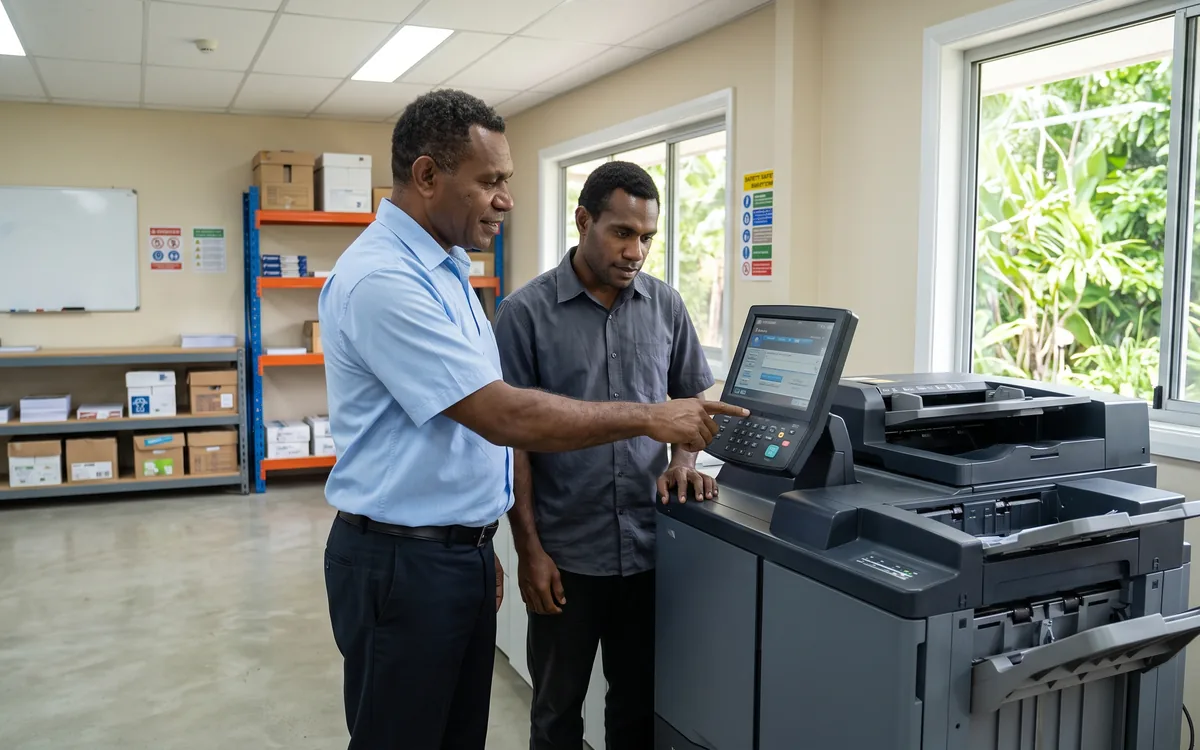
    On-site commissioning, operator certification, ongoing parts and consumables — sized for organisations who do not have a heritage print operator on staff.

Proof

Real outcomes from Pacific customers.

100%
in-house curriculum print

A Pacific Ministry of Education brought all curriculum and exam print in-house — saving an estimated USD 280K annually while shrinking turnaround from weeks to days.

Pacific public sector customer, 2023 — case study available on request.

Free resource

The Production Printers buyer's checklist

A short, vendor-neutral guide that walks South Pacific decision-makers through what to ask, what to compare, and how to scope a successful production printers project.

  • What to put in the brief — and what to leave out.
  • Red flags in vendor proposals.
  • Realistic budget ranges for Pacific deployments.
Use cases

How customers use this.

  • 01

    In-plant print rooms

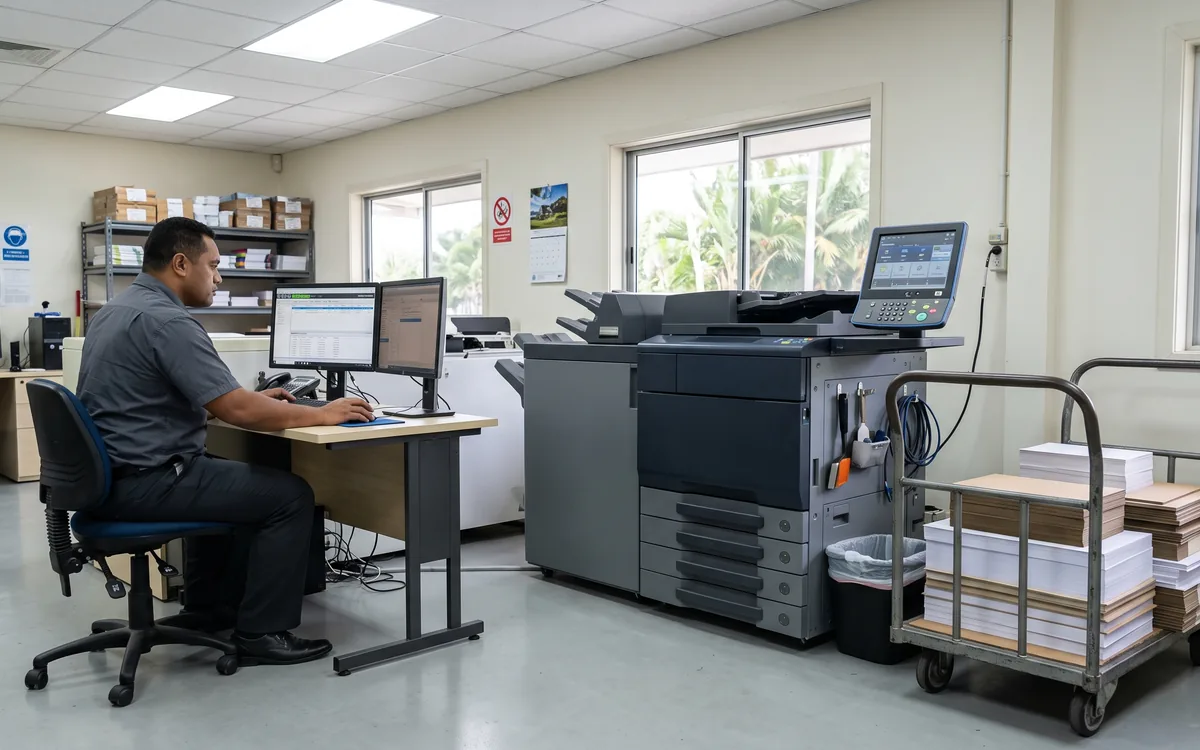
    Centralised reprographics for government departments, banks, education providers and large NGOs — bringing curriculum, forms and reports in-house.

  • 02

    Sign-makers and graphic arts

    Vehicle wraps, banners, point-of-sale, exhibition graphics and architectural signage on Latex and UV wide-format platforms.

  • 03

    Label converters

    Short-run, variable-data and on-demand label production for food, beverage and industrial — replacing flexo for runs that no longer justify a plate change.

  • 04

    Marketing and creative teams

    Pitch books, brochures, point-of-sale and event collateral on demand — when outsourcing every job adds days to a deadline that does not have them.

FAQ

Frequently asked questions.

The questions South Pacific decision-makers ask most often before they engage on production printers.

  • What is the difference between an office printer and a production printer?

    Duty cycle, finishing and colour management. Office multifunction printers are designed for tens of thousands of pages per month at general-purpose quality. Production printers are designed for hundreds of thousands to over a million pages per month, with inline finishing (stapling, booklet making, perfect binding), tight registration on long runs, and colour calibration that holds across shifts and operators. The break point for a Pacific organisation is usually around 100,000 pages a month or any job that requires inline finishing.

  • Which production-printer family fits which job?

    Cut-sheet production presses produce documents — books, manuals, exam papers, curriculum, government forms, marketing collateral, reports. Wide-format roll-to-roll machines produce signage, banners, vehicle wraps, exhibition graphics and rigid display work. Digital label presses produce short-run food, beverage, retail and industrial labels. Most Pacific in-plant operations start with cut-sheet and add wide-format later; commercial printers and sign-makers usually start with wide-format.

  • Why does Ricoh South Pacific not supply high-speed inkjet?

    High-speed continuous-feed inkjet (the Ricoh Pro VC range and equivalents) is built for transactional mail at hundreds of millions of pages per month — utility billing, telco statements, national-scale direct mail. Pacific volumes do not justify that class of machine, and the operating model is very different from cut-sheet production. We focus on the three RGC product families that fit Pacific business volumes: cut-sheet, wide-format and digital labels.

  • How much volume justifies bringing print in-house instead of outsourcing?

    For cut-sheet, the rough threshold is around 500,000 pages per year of work currently outsourced — at that volume, the press lease, consumables and operator cost are typically beaten by the outsourced-print margin you stop paying. For wide-format, the threshold is more about job mix than volume: if you do enough varied substrate work that the per-job outsourced setup fees add up, in-house pays back quickly. We size the case before recommending a press — there is no point installing equipment that does not pay back.

  • What inline finishing options are available on a production press?

    On Ricoh Pro cut-sheet, the inline finishing options include corner and edge stapling, booklet making with face trim, perfect binding (square-spine books), ring and wiro binding, hole punching for binders, folding (half, tri-fold, Z-fold, gate-fold), and creasing. On wide-format, finishing is generally offline — cutting tables, eyelets, hemming and laminating handled in-line with the press but as discrete steps. Inline finishing is the single biggest productivity multiplier on a cut-sheet press; we size it carefully to match the job mix.

  • What is the difference between digital production and offset production?

    Offset is faster and cheaper per copy at long runs (broadly over 5,000 copies) and supports Pantone spot colours cleanly, but requires plate-making, makeready and a setup cost per job. Digital production is faster and cheaper per job at short runs, supports variable data (every copy can be different), and has no plate or makeready step. In the Pacific, the run lengths most organisations actually produce sit firmly in the digital sweet spot — and digital is the only viable answer for variable-data work (numbered receipt books, personalised mail, run-of-one signage).

  • What ongoing support do you provide after a production press install?

    All production-printer installs include on-site commissioning, operator certification, a colour-managed handover, and an ongoing service agreement covering parts, consumables, calibration and break-fix response. Most customers move onto a cost-per-page (cut-sheet) or cost-per-square-metre (wide-format) model that bundles all of the above into a single predictable monthly cost. For organisations without a heritage print operator on staff, we offer a co-managed model where our team handles colour management and complex job setup remotely.

Ready to simplify your South Pacific workplace?

Book a no-obligation conversation with a local specialist. We'll listen first and only recommend what actually helps.